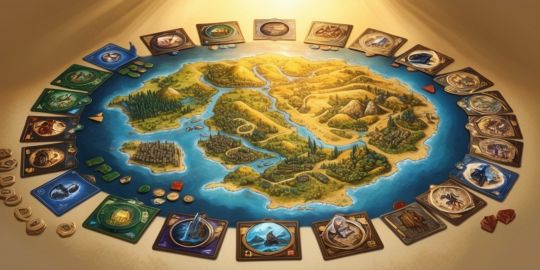
The popularity of a classic board game has led to innovative reinterpretations that capture the imagination with succinct, fast-paced gameplay while retaining many of the strategic flavors of its predecessor. In this modern variant, players engage with familiar resource management and social exchange but do so in a compact, card-driven format that reinvents the experience without a physical map. With streamlined mechanics and vibrant card art, enthusiasts can enjoy a condensed version of civilization-building, where every turn brings unexpected decisions that influence the evolving tapestry of gameplay. The design decisions ensure that even newcomers can quickly grasp the rules while veterans find plenty of opportunities to fine-tune their approaches in a race toward victory.
Reimagined Game Play Dynamics
Underneath the surface of this card-based edition lies a thoughtful reimagining of the classic mechanics that made the original a household name. Players still start with a random set of resource cards, reminiscent of the board game’s foundation, but now they must strategically spend these cards to assemble a range of structures like Settlements, Cities, and Metropolises. Each structure brings its own set of benefits and long-term strategies. For instance, a basic Settlement is not only a source of one victory point but also a stepping stone toward larger developments. The process of acquiring Cities and Metropolises, which can provide additional resources every turn, adds an additional layer of tactical depth as players decide where best to allocate their hard-earned resources. This dynamic creates an engaging interplay between acquiring resources, building structures, and reacting to opponents' moves.
Innovative Card Mechanics at Work
The transition from a board with hexagonal terrain to a compact, card-driven framework introduces an innovative twist on traditional resource management. All resources are now randomized, drawing players deeper into the uncertainty and excitement intrinsic to each turn. With only five building cards available face-up at any given moment, players must balance long-term plans with the opportunity presented by the current deck configuration. This design choice shifts focus away from meticulously planned expansions on a fixed board, inviting adaptability and quick thinking at every moment. As a result, every card draw and building decision feels consequential. The added element of chance, balanced with strategic resource collection, Delivers a constantly evolving gaming environment that stays both innovative and full of surprises, even for those deeply familiar with the original title.
Strategic Resource Management and Exchange
Resource trading has taken center stage in this evolution of gameplay, creating a dynamic arena where negotiation and timely decision-making are rewarded. Unlike the board game where location-based resource generation plays a crucial role, players in this card game must rely on the resources drawn from a deck that changes the narrative with each turn. Trading becomes the primary method to adjust imbalances, fostering lively debate and bargaining among players. Each successful transaction is incentivized by a bonus resource, encouraging a cooperative spirit despite the competitive setting. This twist not only amplifies the excitement during resource exchanges but also catalyzes a series of swift and flexible strategic cycles. Engaging in trades and deciding when to withhold resources adds an emotional layer of momentum that keeps every player on their toes.
Building Structures in a Card World
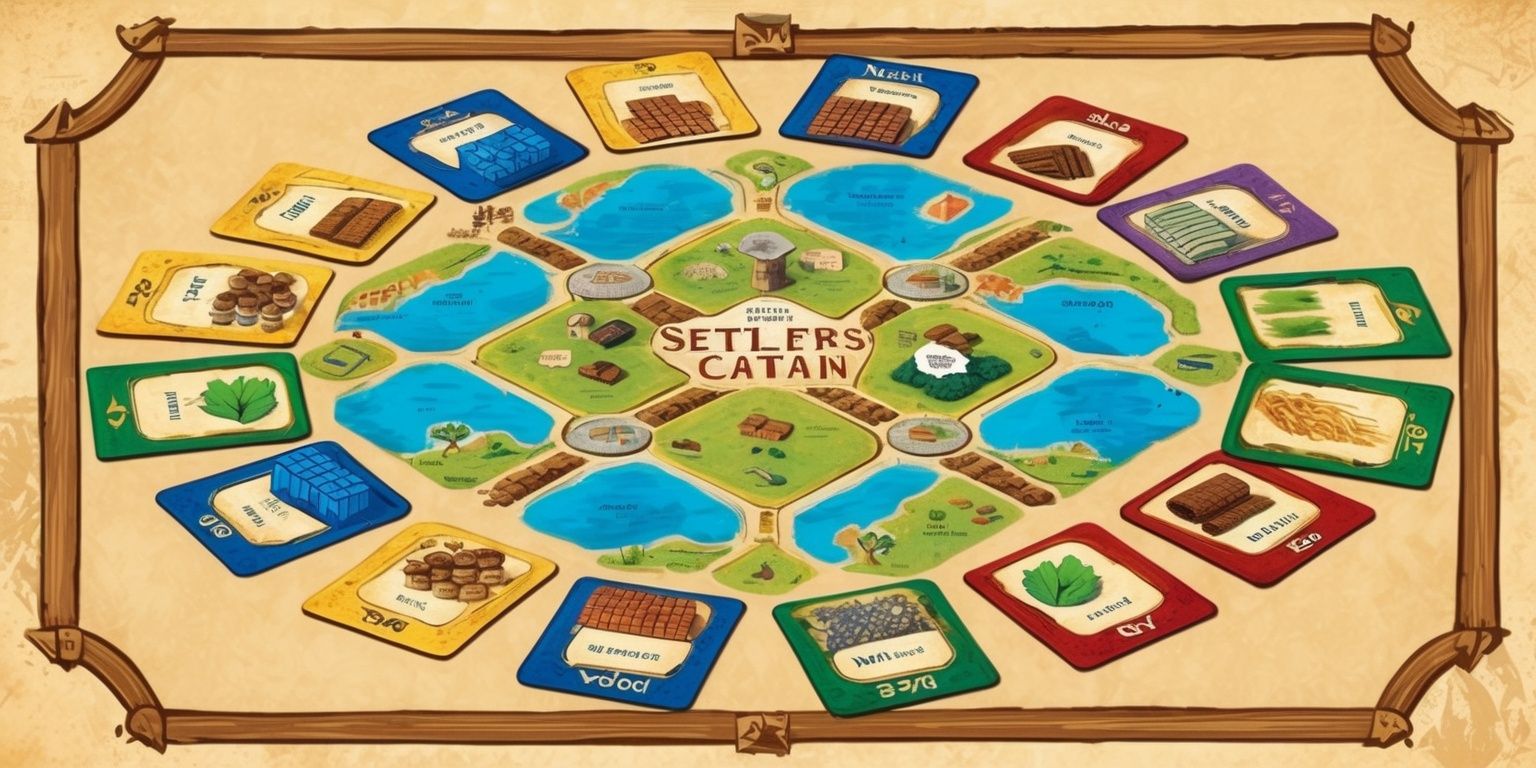
The art of constructing an emerging civilization is reinterpreted through the limited yet potent medium of cards. Settlements, the simplest building, offer a modest advantage, whereas Cities can be upgraded to enhance resource accumulation. Metropolises, though requiring more substantial investments of resources, provide significant benefits, including bonus points and additional resource draws. This nuanced layering of building hierarchies creates multiple avenues for success. Players may decide to focus on rapid expansion with numerous Settlements, or invest more heavily in fewer but more impactful Cities and Metropolises. This flexible approach allows for different playing styles. The selective exposure of only a handful of building options at any time further enhances the need for tactical planning as players race to align their resources with the available choices.
Adaptation Amidst a Randomized Landscape
The absence of a fixed map in favor of a randomized deck introduces a refreshing complexity to the gameplay. As players no longer rely on spatial positioning and controlled routes, the focus shifts to how resource cards are acquired and managed over multiple turns. Every round, the placement of new building cards in the limited queue forces players to adapt their strategies quickly and continuously. This unpredictability leads to a game environment where planning ahead includes an element of improvisation. Each turn offers a unique blend of risk and opportunity, compelling participants to reevaluate their objectives and tactics in real-time. The streamlined approach not only modernizes the familiar mechanics but also increases the sense of immediacy and excitement, underpinning a truly engaging gaming session.
Unconventional Character of Roads and Ports
Within this card-driven iteration, roads have evolved from a mere extension of territories to versatile assets that offer tactical advantages beyond basic expansion. Acting like ports in the original game, roads now provide a mechanism for trading groups of matching resource cards for other types, effectively serving as a critical component in resource flexibility. This strategic pivot encourages players to balance resource collection with progressive builds. While roads offer not only points but additional leverages for trades, they require careful synchronization with other building cards in hand. The interplay between road enhancements and resource conversion injects an extra layer of analytical depth into Here's one unique rewording: "the game. It compels players to strategize their moves in advance." about how to balance temporary gains against long-term strategic positioning, creating a fluid dynamic that rewards adaptability and foresight.
Energetic Negotiation and Social Strategy
The mechanics of trading have been reimagined to encourage a more energetic and interactive atmosphere among players. In this version, when a trade is successfully negotiated, the receiving player is rewarded with an immediate resource bonus, which not only supplements their resources but also serves as a tangible incentive for collaborative play. This encourages a more spirited exchange of offers and counteroffers, making every interaction on the table a lively contest of wits. The increased emphasis on verbal negotiation and flexibility promotes a sense of camaraderie as well as competition, ensuring that no two games follow the same social dynamic, thereby maintaining high replayability. Furthermore, the possibility of refusing less-than-advantageous trades adds a delicate balance between cooperation and strategic self-interest, making each decision a critical determinant of the game’s flow.
Nuanced Role of Defensive Mechanics
In transitioning to a card-based format, the game introduces alternative defensive strategies to mitigate the randomness of resource distribution. While traditional board game iterations included a distinct element that influenced resource allocation adverse events, this version employs event cards that may cause resource discards under certain conditions. Moreover, Knight cards function as a safeguard, allowing players to retain more resources when facing these setbacks. Though their originally intended impact has shifted somewhat due to the broader distribution of resources facilitated by trading and random draws, Knights still offer an alternative route to secure bonus points. This nuanced mechanic ensures that players have multiple tactical avenues to manage risks, fostering a survival strategy that balances aggressive resource acquisition with careful precaution. As such, these defensive elements underline the importance of maintaining versatile strategies throughout the game.
Expanding the Strategic Horizons with Upgrades
The option to upgrade structures within the game introduces a gamut of strategic decisions that can influence the flow of play over several rounds. Upgrading a Settlement into a City increases the resource yield, while progressing further into a Metropolis not only advances the player’s point tally but also commits them to a higher investment of resources. This upgrade system nudges players toward deciding between breadth—spreading out Settlements for quicker, smaller gains—and depth—focusing on fewer, more impactful upgrades. The temptation to invest in a City early on must be weighed against the potential of accumulating a powerful network of upgraded buildings later. With alternative Metropolis cards available that offer distinct advantages based on the current composition of Roads or Knights, players are presented with a variety of developmental paths that require careful prioritization of resources and timing.
Visual and Aesthetic Appeal
The visual design of the game contributes significantly to its charm and accessibility. The cards boast high-quality, evocative artwork that draws inspiration from Consider using this version: "the exploration of uncharted territories and the drive to break new ground." of settling a new land. Each card is thoughtfully designed with clear iconography and harmonious color schemes that not only serve to guide gameplay and concurrently enhance the complete experience with a sense of narrative depth. This stylish presentation is instrumental in immersing players in the world of civilization-building, evoking classic motifs while updating them for modern tastes. The tactile satisfaction of handling robust, well-made cards that shuffle smoothly adds another sensory dimension to the game. The aesthetics work in tandem with the streamlined mechanics, creating a cohesive and engaging product which resonates with veteran enthusiasts as well as fresh audiences looking for an accessible yet visually rich gaming experience.
Diverse Routes to Achieving Victory
Flexibility in strategic approach is a key hallmark of this rendition, inviting players to craft unique victory conditions tailored to their individual play styles. With multiple winning thresholds, participants can focus on resource accumulation, building upgrades, or accumulating strategic assets like Roads and Knights. Each pathway offers its own merits and challenges. For instance, focusing on Roads not only grants bonus points but allows for dynamic resource conversion, while investing in Cities or Metropolises emphasizes a more gradual build-up of economic strength and victory points. Moreover, the alternative Metropolis cards provide niche benefits that can be leveraged to secure tie-breaking advantages when competing for bonus points. This diverse set of options fosters an environment where no single dominant strategy exists, encouraging creative experimentation and dynamic shifts in tactics as players adapt to the evolving game landscape.